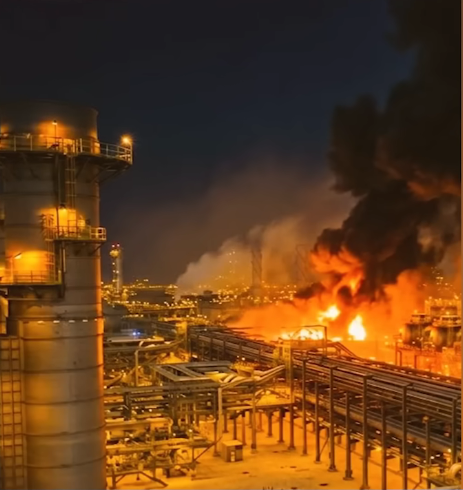
In a period of unprecedented regional volatility, the internal mechanics of the Iranian state remain a subject of intense global speculation. To understand the ground reality behind the headlines of assassinations and military escalation, veteran journalist John Hussain, reporting directly from Tehran, provided a comprehensive briefing to Mansoor Ali Khan. His insights reveal a nation operating on a sophisticated blend of ideological training, homegrown technology, and a strategic patience that defies Western expectations.
The Ideological Engine: Beyond the Individual
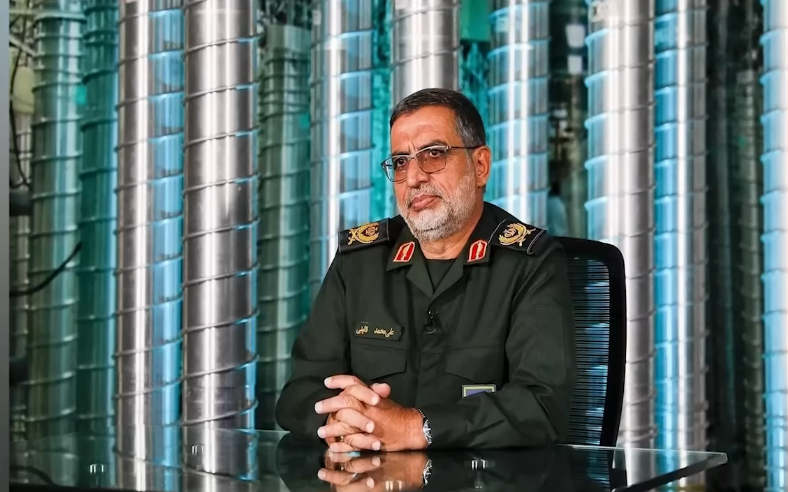
One of the most pressing questions for regional analysts is how the Iranian system remains functional despite the high-frequency assassinations of its top brass. Recently, the martyrdom of Ali Mohammad Naiani, a key spokesperson for the IRGC, and the head of intelligence for the Basij forces, sent shockwaves through the media. However, John Hussain argues that the Iranian infrastructure is built to survive such losses.
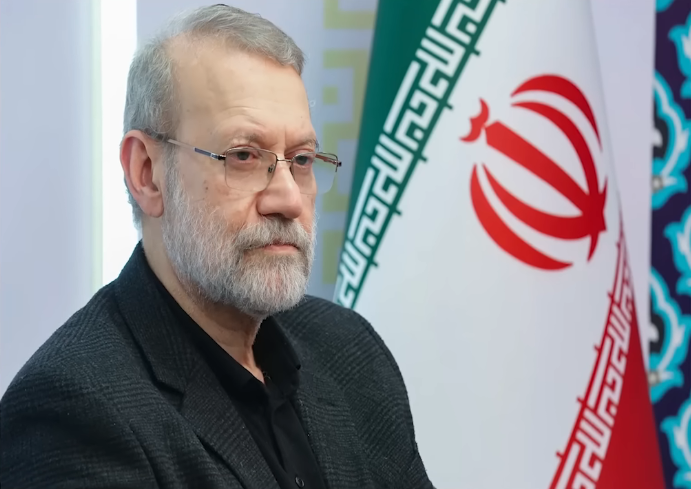
According to Hussain, the Iranian Revolutionary Guard Corps (IRGC) employs a decentralized “Mosaic Formation,” where the system is not dependent on any single individual. This resilience is rooted in a rigorous training program that is as intellectual as it is tactical. IRGC personnel are required to study a vast array of global philosophies, including the works of Socrates, Aristotle, Immanuel Kant, Friedrich Nietzsche, René Descartes, and Niccolò Machiavelli.
By exposing their cadres to ideologies like Capitalism, Communism, Feminism, and Liberalism, the system ensures its members can intellectually navigate the thought processes of their adversaries.
Hussain highlights that this training follows the Socratic model of the “Tripartite Soul” from The Republic, emphasizing absolute control over appetite, spirit, and reason. In this framework, martyrdom is not a point of failure but the “fuel” of the revolution, following Ayatollah Khomeini’s dictum: “Give martyrs so that the revolution grows”.
Economic Stability: The 0.029$ Per Liter Petrol In Iran Reality
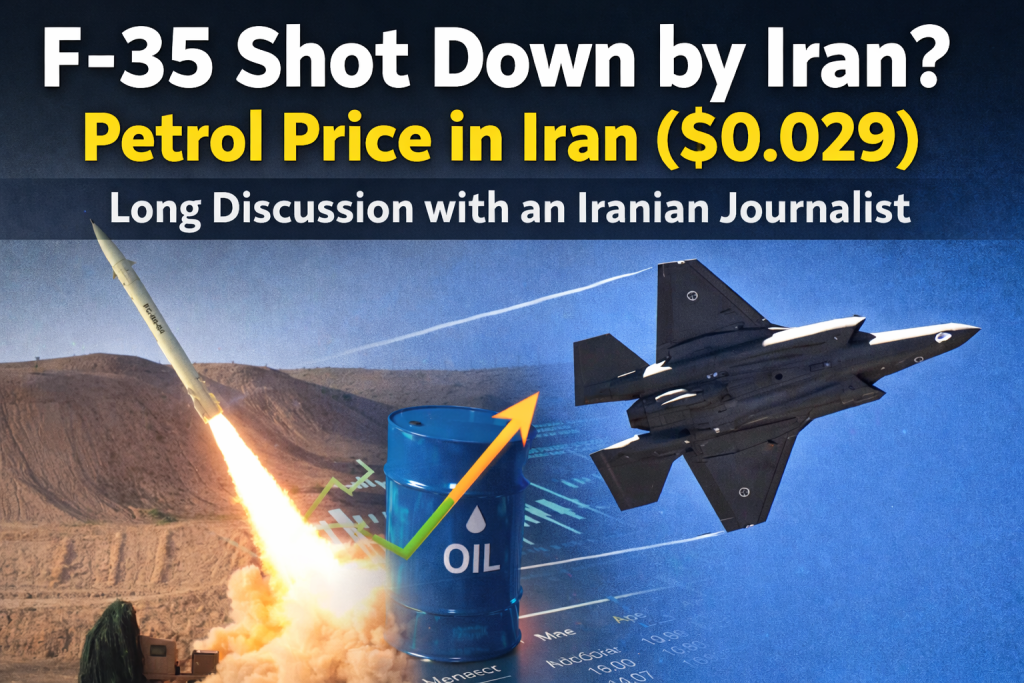
While international markets fluctuate with fears of oil hitting $200 per barrel, Hussain provides a startling update on the domestic economy in Tehran, Despite active hostilities and strikes on military sites like Parchin, the price of petrol has remained unchanged at 0.029$ per liter. Even for foreigners or those exceeding their 60-liter quota, the price only rises to approximately 15 Pakistani Rupees a rate that locals still consider expensive.
Hussain describes a sense of “unnatural calm” in the capital. Unlike other nations where the threat of war triggers panic buying, there is no hoarding of flour or essential goods in Tehran. Delivery applications continue to function normally, offering discounts on daily necessities. This stability is corroborated by international outlets like CNN and Sky News, which have reported that life in Tehran continues at a steady pace, devoid of chaos.
The F-35 Incident: A Blow to Stealth Supremacy
Perhaps the most significant military revelation from Hussain’s report concerns the American F-35 Lightning II. Long considered the pinnacle of “invisible” stealth technology, reports indicate an F-35 was targeted within Iranian airspace at 2:50 AM. Hussain emphasizes that this was achieved using homegrown Iranian technology, specifically low-infrared signal detection within their Surface-to-Air Missile (SAM) systems.
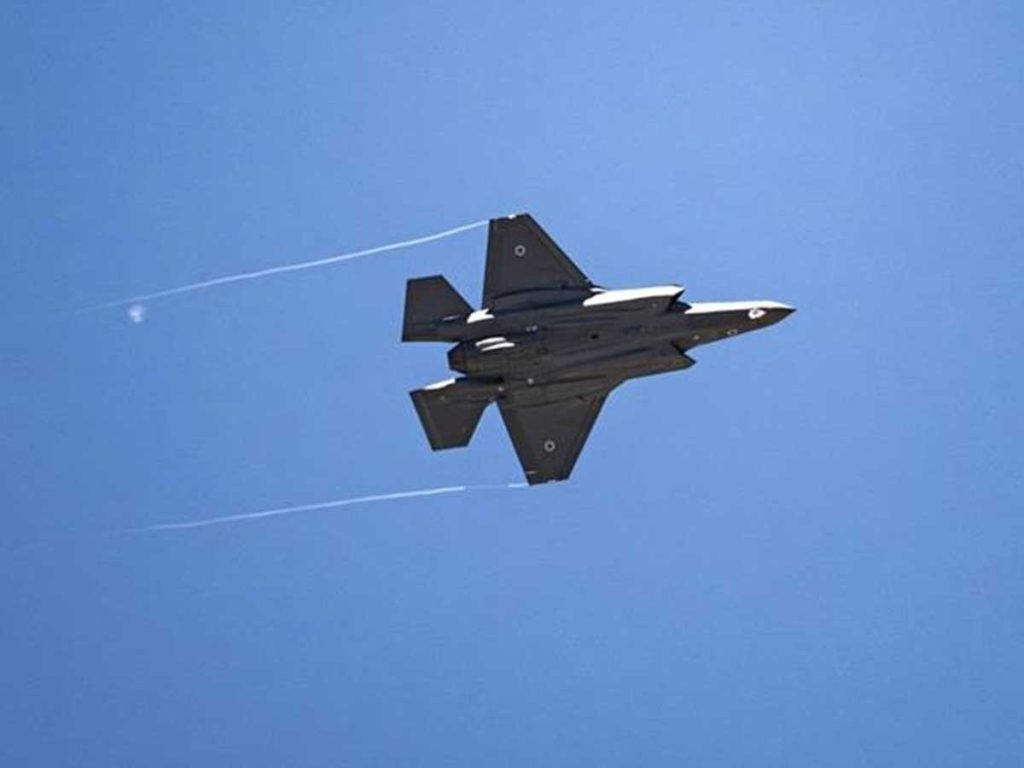
Technically, while the F-35 is designed to evade radar, it cannot fully mask its heat signature. The Iranian defense system reportedly “locked on” to this signature so discreetly that the aircraft’s internal sensors failed to alert the pilot. Consequently, the jet performed no defensive maneuvers or flare releases before the impact.
Hussain suggests that while Russia or China may have provided historical support, the current system is an indigenous invention developed by Iranian youth following the recent 12-day conflict with Israel. This event, he argues, represents a massive blow to the “impenetrable” status of American military might and will force a total overhaul of global aerial combat protocols.
Kharg Island: The Strategic Trap Regarding the rumors of a potential ground invasion by the Trump administration
Kharg Island: The Strategic Trap Regarding the rumors of a potential ground invasion by the Trump administration, specifically targeting Kharg Island, Hussain issues a stark warning. Kharg Island is Iran’s primary economic artery, handling 90% of its oil exports and roughly 7 million barrels per day.
However, Hussain reveals that Iran has a “scorched earth” contingency plan. If American or Israeli forces were to successfully seize the island, Iran is prepared to strike its own territory with a massive barrage of missiles and drones. The goal would be to inflict such high American casualties that the resulting public backlash in the US would trigger a “regime change” in Washington, rather than Tehran. Hussain describes this as a “high IQ” game of geopolitical chess, where the Iranians use unpredictable moves, such as the “Groeb Opening,” to baffle their opponents.
Internal Challenges and the “Sarbazi” Spirit The strength of the Iranian state is further bolstered by the “Sarbazi” (compulsory military service), where every young man undergoes two years of revolutionary and physical training. This creates a society where the majority of the male population is combat-ready and ideologically aligned against imperial intervention. Hussain notes that even the non-religious nationalists in Iran possess a fierce anti-colonial sentiment, rooted in a history of never being colonized.
He acknowledges significant penetration by Mossad and CIA agents
Despite this unity, Hussain does not shy away from discussing internal vulnerabilities. He acknowledges significant penetration by Mossad and CIA agents, noting that several “cells” involving various European nationalities have been dismantled recently. He critiques Iranian intelligence for failing to protect key leaders, attributing this to technological gaps caused by decades of sanctions. Unlike Israel, which enjoys the support of the “Five Eyes” and limitless tech access, Iran must rely entirely on its local resources.
Conclusion: A Civilization of Resistance
Through his conversation, John Hussain paints a picture of a nation that has been “tempered in fire.” After 47 years of sanctions and the experience of chemical warfare, the Iranian people have developed a unique resilienc. They operate on a model of Idealism that prioritizes philosophical doctrines over material comfort. For Tehran, the current escalation is not merely a struggle for survival, but a mission to uphold a revolutionary spirit that is prepared to pay any cost to challenge the existing global order.
Council on Foreign Relations (CFR – detailed power centers): https://www.cfr.org/articles/islamic-republics-power-centers
PBS Frontline (full government structure): https://www.pbs.org/wgbh/pages/frontline/shows/tehran/inside/govt.html
Florida International University (simple explanation): https://news.fiu.edu/2026/irans-ruling-structureexplained
GasCylinderPrice.com (monthly update): https://gascylinderprice.com/iran-gasoline-prices-per-liter-monthly-update/
GlobalPetrolPrices.com (official data reference): https://www.globalpetrolprices.com/Iran/gasoline_prices/
(15,000 Rials confirm) Trading Economics (average context, lekin subsidized low rate note): https://tradingeconomics.com/iran/gasoline-prices
Iran Israel USA Latest War News Read HERE