The news that has come is that Apache helicopters have been seen flying near Iran. These are attack helicopters of the US Army. This is a very big development. When Apache helicopters are deployed so close to Iranian borders, it means the US is showing its power and readiness for any action.
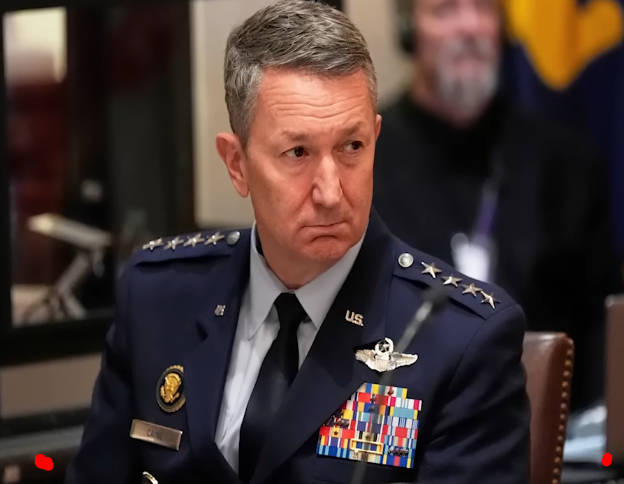
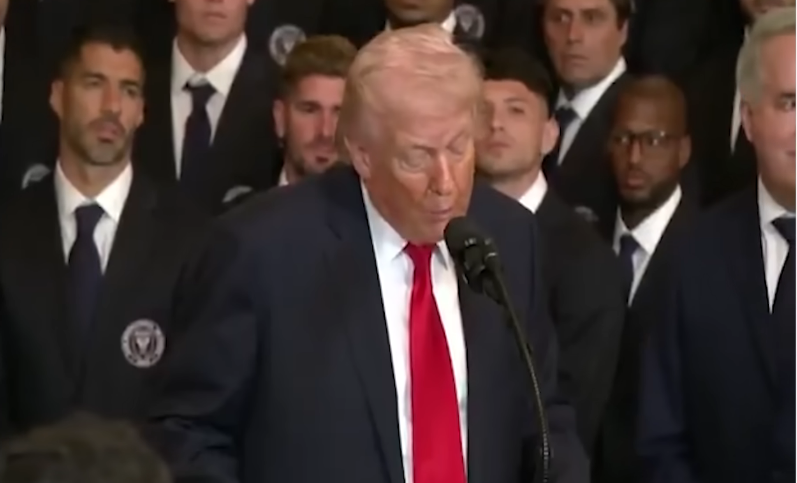
Trump is very furious over what has happened. From the American side, intelligence reports had already warned that Iran would retaliate after the previous incidents. But the scale and way of Iran’s response was not fully anticipated. The strikes on Gulf energy sites, especially the big damage at Ras Laffan in Qatar, have made Trump extremely angry. He sees this as a direct challenge.
Iran has given orders to withdraw troops from certain positions.
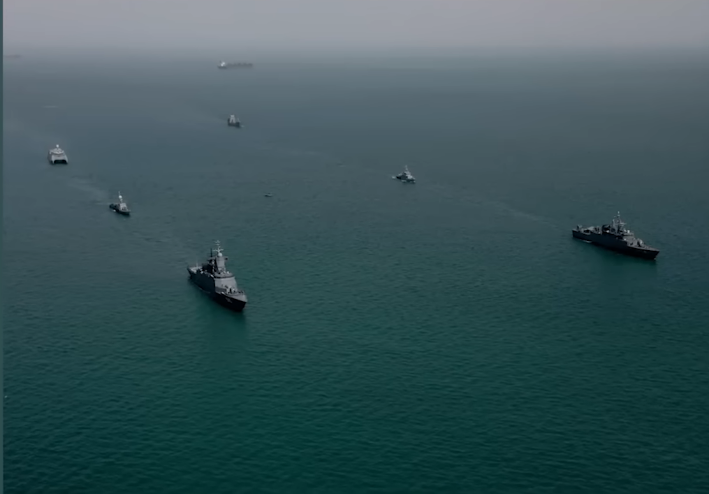
Iran has given orders to withdraw troops from certain positions. This is not full retreat but a strategic move to pull back forces to safer areas while keeping defenses strong. IRGC commanders have called it a new phase of operations. They say Iran is ready for more if needed, but this withdrawal helps consolidate positions and avoid unnecessary risks in forward areas.
These Apache helicopters flying near Iran are not just routine patrols
These Apache helicopters flying near Iran are not just routine patrols. They are advanced attack platforms that can do precision strikes quickly. Their movement close to the border is a clear message of deterrence to Iran. US forces in Gulf bases like Qatar, Bahrain, UAE are on high alert. The bases host many American troops and assets, so protection is priority.
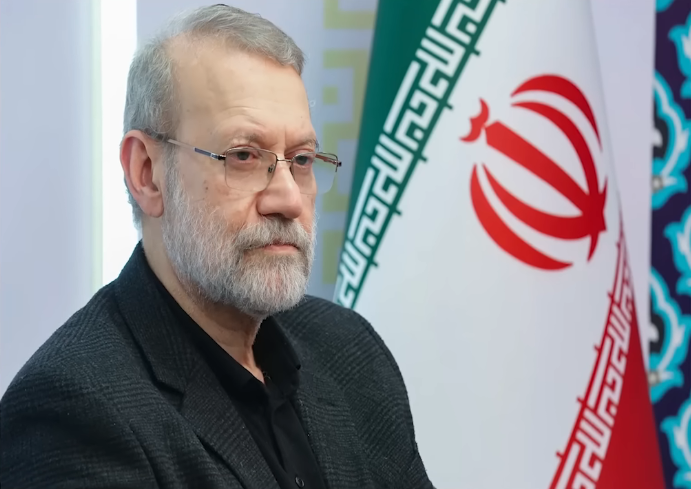
Iran has said its recent strikes were in response to attacks on its own side, like South Pars gas field hit. Iranian officials strongly condemn those as violations. President Pezeshkian said such actions will not benefit the enemies but can cause uncontrolled effects that impact the whole world. Foreign Minister Araghchi also said every action has a reaction, and aggressive methods ignoring consequences are dangerous.
The Gulf strikes have caused big problems
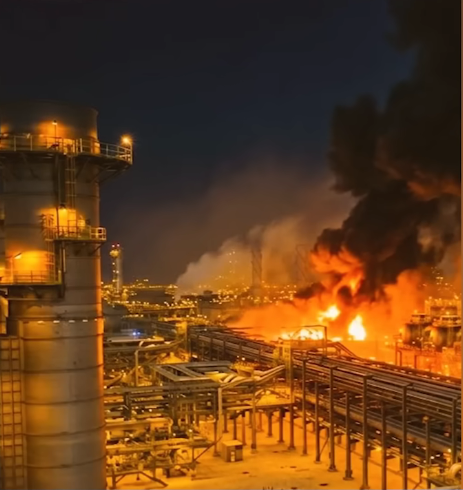
The Gulf strikes have caused big problems. Qatar’s Ras Laffan took major damage from missiles, fires started, operations halted for some time. Saudi refinery areas near Jubail had debris from intercepted missiles causing fires and injuries. Bahrain near LNG refinery and bridge, UAE near Habshan gas facility – all saw explosions and shutdowns.
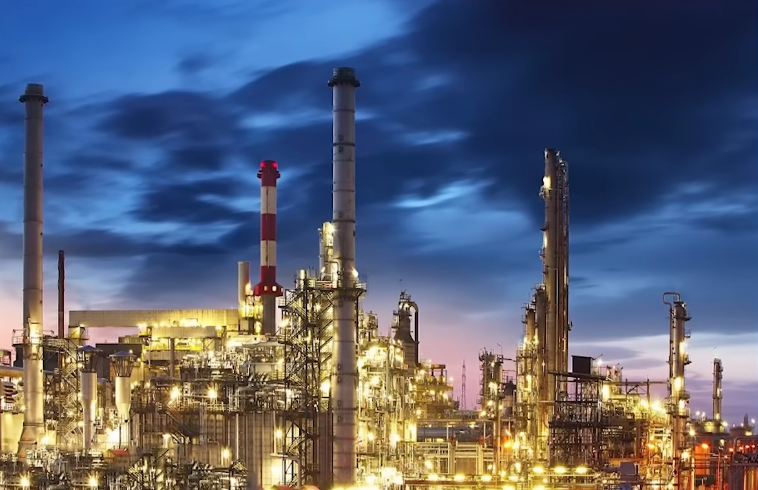
Oil prices have gone up sharply because of this. Prices crossed $106, touched near $109
Oil prices have gone up sharply because of this. Prices crossed $106, touched near $109. Ras Laffan handles big part of world LNG, so disruption affects global gas, electricity, even tech production.

From Asian side, this is concerning because we import a lot of gas from Qatar. Any long stop there means higher energy costs here. Pakistani position has been balanced – no direct side taken, but stability in Gulf is important for us.
The Apache deployment shows US wants to protect allies and stop more Iranian missile actions. But Iranian troop withdrawal orders show they are preparing defenses carefully. IRGC talk of new phase means they are not backing down fully.
Military analysts observe that Apache deployments serve multiple purposes
Military analysts observe that Apache deployments serve multiple purposes: deterrence against further Iranian missile activity, reassurance to Gulf partners, and preparation for potential contingencies. The helicopters’ mobility and firepower make them ideal for rapid response in contested airspace. Their proximity to Iran has heightened alerts on the Iranian side, contributing to orders for troop withdrawals from forward positions to consolidate defenses.
Iran’s response pattern suggests a calculated approach targeting economic leverage points rather than direct military confrontation with U.S. forces. This strategy aims to impose costs without crossing red lines that could trigger all-out war. However, the “new phase” rhetoric from IRGC leaders indicates readiness for escalation if U.S. or Israeli actions continue.
The situation is very tense. Trump fury, helicopter movements
The situation is very tense. Trump fury, helicopter movements, Iranian orders all point to high risk of more escalation if things go wrong. Diplomatic efforts are needed to calm it, but military signals are strong from both sides.
Global markets have reacted strongly. Oil prices surged past $106 per barrel, with peaks nearing $109, reflecting investor concerns over Strait of Hormuz risks and LNG export interruptions. Broader economic fallout could include higher energy costs worldwide, impacts on electricity generation, petrochemical production, and even tech sectors dependent on helium supplies.
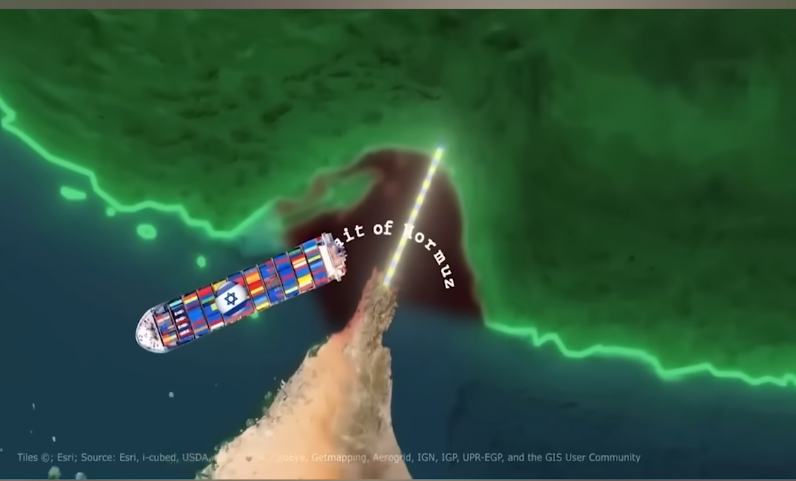
The situation remains fluid. Diplomatic efforts continue behind the scenes, with calls for restraint from multiple quarters. Yet the combination of U.S. helicopter deployments, Iranian troop repositioning orders, and Trump’s reported fury points to a volatile period ahead. Observers warn that miscalculations could lead to rapid widening of the conflict, affecting not just the Gulf but energy-dependent economies across Asia, including Pakistan.
International Sources for Reference:
- Reuters on US military movements near Iran amid tensions: https://www.reuters.com/world/middle-east/us-apache-helicopters-deploy-near-iran-amid-tensions-2026-03-20
- Bloomberg on oil surge and Trump reported anger: https://www.bloomberg.com/news/articles/2026-03-20/oil-surges-as-iran-retaliation-risks-mount-trump-fury-reported
- Al Jazeera on IRGC new phase statements: https://www.aljazeera.com/news/2026/3/20/iran-irgc-new-phase-gulf-strikes-trump-helicopters
See More Latest News Here