The Five-Day Reprieve: Deep Dive into the USA Iran Ceasefire and the Geopolitics of Survival
In the early hours of the third day of Eid, a development of tectonic proportions shifted the global political landscape. After weeks of high-intensity conflict that threatened to engulf the entire Middle East in a “Third World War,” a sudden ceasefire has been announced.
To understand the intricate mechanics of this diplomatic breakthrough, we spoke with a veteran regional insider and journalist who has been tracking the back-channel negotiations between Tehran and Washington. Our conversation reveals a story of economic exhaustion, strategic “open channels,” and an unexpected diplomatic triumph for Pakistan.
The Proclamation from Mar-a-Lago: A Sudden Shift in Tone
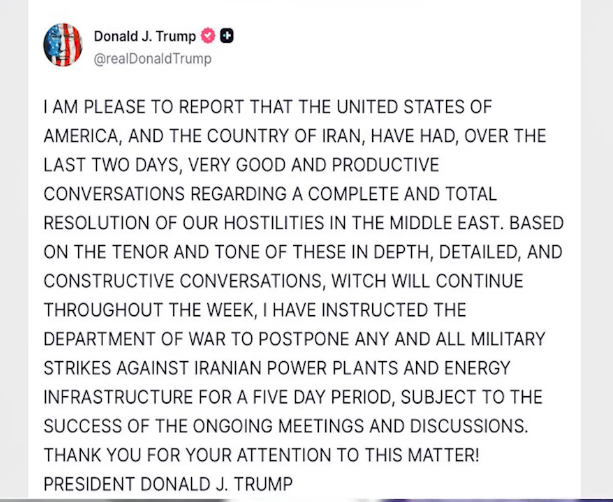
The conflict, which many feared was reaching a point of no return, was dramatically altered by a social media proclamation from Donald Trump. After issuing a stern 48-hour deadline for the Strait of Hormuz to be reopened threatening to annihilate Iran’s power plants and civilian infrastructure the tone shifted to one of cautious optimism.
According to our source, Trump expressed “happiness” in announcing that the last two days had seen “highly positive and productive” talks aimed at a final and definitive resolution to the Middle Eastern crisis. As a gesture of goodwill, the US Department of War has been ordered to postpone all military strikes against Iranian energy and power infrastructure for a period of five days.
This pause, however, remains contingent upon the success of ongoing negotiations involving White House envoy Steve Witkoff and Iranian officials throughout the coming week. Economic Shockwaves: The Oil Market’s Red Line The immediate impact of this “pause” was felt in the global financial markets. As soon as the news of a ceasefire broke, oil prices, which had been trading at a volatile $111 per barrel, took a massive “plunge”. Within hours, prices dropped to $92 per barrel.

Our insider noted that while the prices saw a slight upward correction after initial Iranian denials of formal talks, the market remains in a state of flux. The fear of an energy crisis unseen in the last 40 to 50 years had driven up costs globally, affecting everyone from the average American paying $5 per gallon at the pump to consumers in Pakistan and India facing skyrocketing high-octane prices.
The Attrition Factor: Why the Superpowers Blinked Why did such a violent escalation lead to a sudden ceasefire?
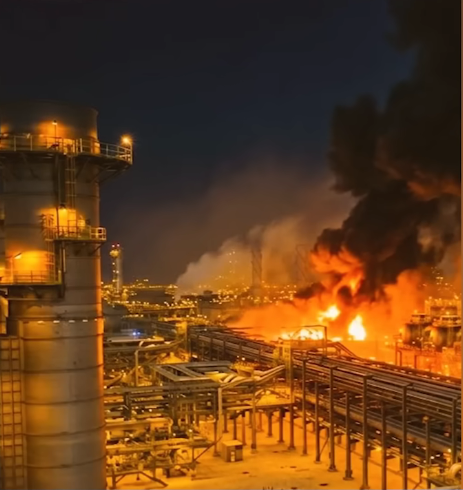
The Attrition Factor: Why the Superpowers Blinked Why did such a violent escalation lead to a sudden ceasefire? Our source pointed to three critical factors: The Desalination Crisis: In the week leading up to the ceasefire, the conflict moved from oil refineries to “desalination plants”. These plants are the backbone of Gulf nations, converting seawater into drinking water. Their destruction would create a humanitarian disaster that could take years to repair, a risk neither side was ultimately willing to bear.
The Interceptor Shortage: Security experts have raised alarms about a critical shortage of missile interceptors.
While Israeli defenses were effective in the initial stages of the war in March, recent data shows that Iranian missiles have begun hitting residential buildings, bridges, and infrastructure in Haifa because the supply of interceptors has dwindled. The Financial Toll: The cost of the war has been staggering. The US has reportedly spent over $111 billion in just three weeks, with the conflict burning through approximately $1 billion every single day. Even for a superpower, such a depletion of the national treasury creates immense domestic pressure.
The Tripartite Mediation: The Role of Pakistan, Turkey, and Egypt
One of the most significant revelations from our briefing is the role of regional mediators. According to American journalist Barak Ravid, senior officials from Pakistan, Turkey, and Egypt have been the primary conduits for messages between the White House and Iranian Foreign Minister Abbas Araghchi.
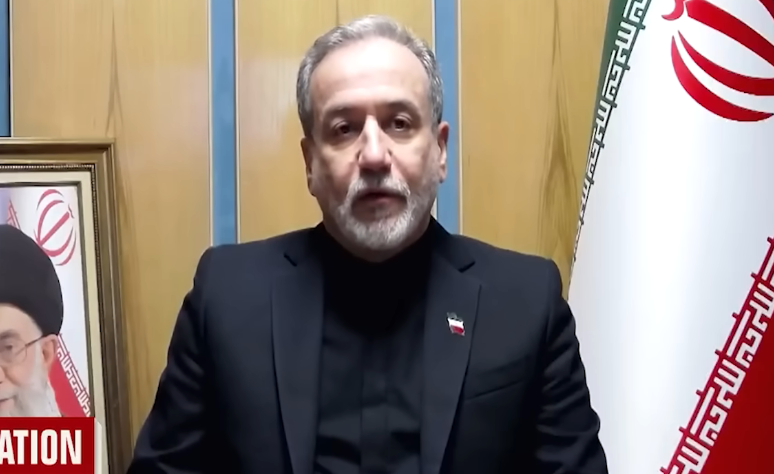
Pakistan’s role has been particularly highlighted by international observers. Despite internal skepticism, international reports confirm that Pakistan’s Deputy Prime Minister and Foreign Minister, Ishaq Dar, has been in active communication with both Tehran and Washington.
These three nations Turkey, Egypt, and Pakistan possess a unique diplomatic advantage: they maintain functional and respectful relationships with both the Trump administration and the Iranian leadership. This “middle ground” proved essential in de-escalating a war that global YouTubers were already labeling the start of World War III.
Strategic Restraint: Sparing the Political Leadership
A fascinating detail shared by our insider is the “selective targeting” strategy employed by the United States. While the US successfully targeted high-ranking IRGC commanders, religious figures, and the inner circle of Ayatollah Khamenei, they deliberately spared the political heads.
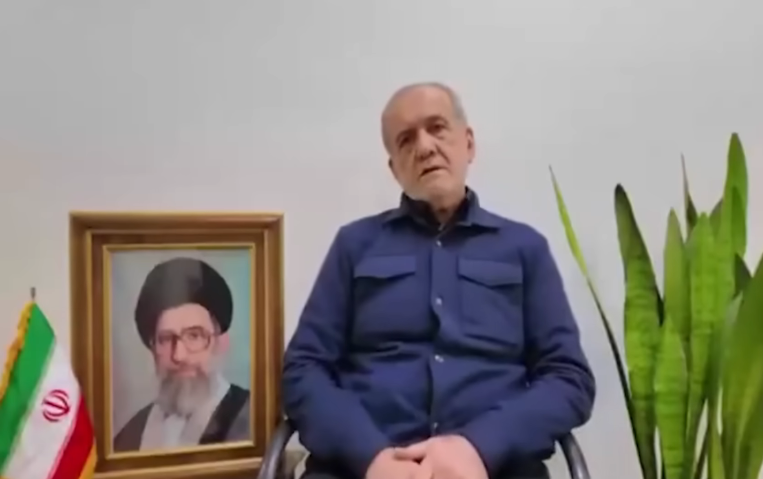
Iranian President Masoud Pezeshkian, Foreign Minister Abbas Araghchi, and the Speaker of the Iranian Parliament were notably omitted from the target lists This was a calculated move to ensure that a “channel of communication” remained open for eventual negotiations. While some claimed the entire leadership had been wiped out, our source confirms that the political core remains intact and ready for dialogue.
The Diego Garcia Mystery and the “Grob Opening”
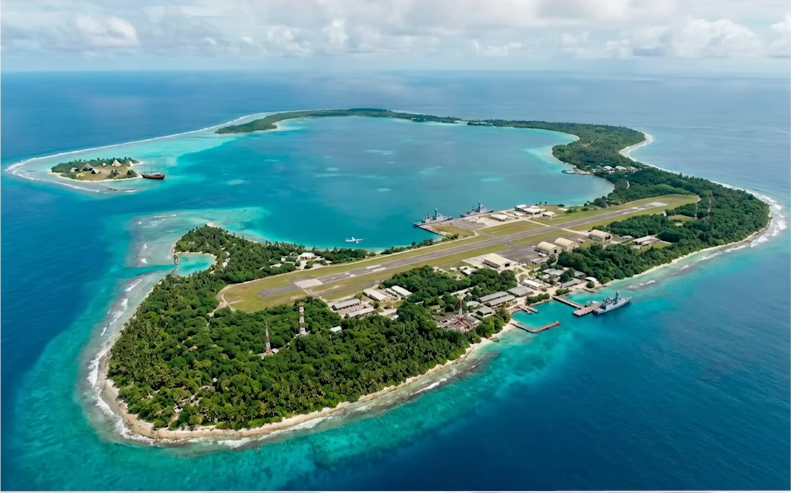
The ceasefire comes amidst unresolved mysteries, such as the strike on the Diego Garcia airbase, located 3,600 kilometers away from Iran. While initial reports blamed Iranian missiles, the United Kingdom has recently stated that the projectile was not Iranian. This has led to theories of a “third party” or “mischief” intended to provoke a larger confrontation, a move our source compares to a high-stakes game of geopolitical chess.
The Future of Hormuz: Joint Control?
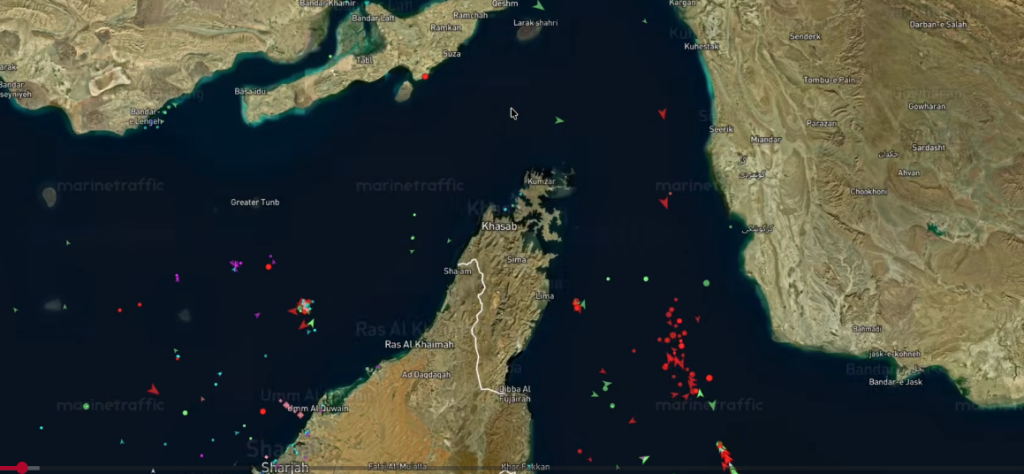
Perhaps the most revolutionary aspect of the ongoing talks is the future of the Strait of Hormuz. When asked about the waterway, Donald Trump hinted that a final agreement might involve “joint control” between the US and the Iranian leadership. This represents a massive departure from decades of CIA-led policy aimed at stripping Iran of its control over the straits. Trump now acknowledges that the “predicted” closure of the straits by Iran has forced a new reality where shared control may be the only path to global energy security.
Conclusion: A Fragile Hope
As the five-day pause begins, the human cost of the conflict is becoming clear. While thousands have died and infrastructure that took decades to build has been destroyed, the ceasefire offers a rare moment of reprieve. The world now looks toward the ongoing mediation by Pakistan, Turkey, and Egypt to turn this temporary pause into a permanent peace. For now, as our regional insider concludes, the guns are silent, but the diplomatic battle for the future of the Middle East has only just begun.
Trump announces 5-day pause on strikes against Iranian energy infrastructure amid “very good and productive” US-Iran talks: https://www.politico.com/news/2026/03/23/donald-trump-iran-talks-00839682
Trump says US-Iran talks were “very good and productive,” orders pause on military strikes for 5 days: https://www.facebook.com/cnnnews18/posts/trump-says-us-iran-talks-over-the-last-two-days-were-very-good-and-productive-or/1559810576188580
(CNN News18 report) Trump claims breakthrough in talks, says Israel would support ceasefire if deal reached with Iran: https://www.newsweek.com/iran-war-live-update-power-plant-strikes-warning-trump-deadline-11718848
US exploring framework for potential talks with Iran as war continues (preliminary diplomacy planning): https://www.aa.com.tr/en/americas/us-exploring-framework-for-potential-talks-with-iran-as-war-continues-report/3874319
Trump hints at ‘winding down’ Iran war, but no ceasefire; ongoing talks mentioned: https://www.aljazeera.com/news/2026/3/21/trump-hints-at-winding-down-iran-war-as-us-deploys-more-troops-to-region
Iran rejects temporary ceasefire, demands permanent end with guarantees (earlier but relevant to current denials): https://www.ndtv.com/video/us-iran-war-latest-news-iran-rejects-ceasefire-demands-permanent-end-to-war-with-guarantees-1074519
War in fourth week with no clear end, Trump mulls winding down but fighting continues: https://www.npr.org/2026/03/21/nx-s1-5755539/iran-war-fourth-week